What Should a Penetration Tester Know? Competencies and Certifications
Two specialists using the same tool can reach entirely different results. The technical competencies, the internationally recognised certifications, and why a certificate alone is not enough.
The success of a penetration test does not depend on the tools used. Two specialists working with the same tool can arrive at entirely different results, because penetration testing is a discipline that rests largely on expertise, experience and analytical thinking.
There are many automated security scanners on the market today. They can identify known vulnerabilities in systems quickly. But a professional penetration test amounts to far more than tool output.
An experienced tester can analyse the business logic vulnerabilities, authorisation errors, chained attack scenarios and design flaws that automated scanners cannot see. Skilled people are therefore the foundation of any successful penetration test.
Who Is a Penetration Tester?
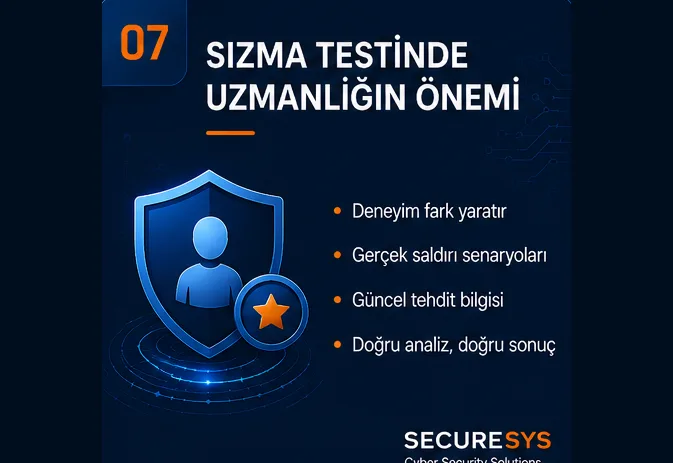
A penetration tester (pentester) is a cyber security specialist who analyses information systems from a malicious attacker's perspective, identifies vulnerabilities within an ethical framework, and reports the risks those vulnerabilities create.
The job is not simply to find vulnerabilities.
A professional pentester also:
- Plans attack scenarios.
- Assesses risk levels.
- Verifies whether a vulnerability can genuinely be exploited.
- Filters out false positives.
- Prepares workable remediation advice for technical teams.
- Presents the risks to senior management in terms they can act on.
The Technical Competencies a Good Pentester Needs
A successful tester has to be at home with a wide range of technologies, because the infrastructures organisations run today are never a single system.
The principal areas a professional pentester is expected to know are:
- TCP/IP and network protocols
- Windows and Linux operating systems
- Active Directory architecture
- Web application security
- API security
- Mobile application security
- Cloud platforms (AWS, Azure, GCP)
- Database systems
- Authentication and authorisation mechanisms
- Secure software development principles
- The fundamentals of cryptography
- Programming and scripting languages (Python, PowerShell, Bash, JavaScript and so on)
This technical grounding is critical to building realistic attack scenarios.
Internationally Recognised Penetration Testing Certifications
There are a great many certifications in the cyber security sector, and they do not all demonstrate the same level of technical competence. Some focus on theoretical knowledge; others measure the candidate's real ability through wholly practical examinations.
Below are some of the most widely recognised penetration testing certifications in the world.
OSCP (OffSec Certified Professional)
OSCP is one of the most respected practical penetration testing certifications available. Candidates are required to compromise real systems within a set period and to produce a technical report.
It demands advanced knowledge of:
- Network penetration testing
- Privilege escalation
- System exploitation
- Pivoting
- Reporting
OSWE (OffSec Web Expert)
OSWE is a practical certification measuring advanced expertise in web application security.
It focuses in particular on:
- Source code analysis
- Secure software development
- Custom web applications
- Complex web vulnerabilities
OSEP (OffSec Experienced Penetration Tester)
OSEP covers advanced network attacks and the techniques used against modern corporate environments.
Its content is built around:
- Active Directory
- EDR bypass
- Pivoting
- Tunnelling
- Advanced attack techniques
eWPTX
The eWPTX certification, offered by eLearnSecurity, covers advanced web application security.
It concentrates in particular on:
- Business logic security
- API security
- Authentication
- Modern web attacks
CRTO and CRTE
These certifications focus specifically on Red Team operations and Active Directory attack techniques.
Areas assessed practically include:
- Command & Control
- Active Directory attacks
- Privilege escalation
- Lateral movement
CEH (Certified Ethical Hacker)
CEH is among the best known certifications in ethical hacking.
It provides a useful introduction to the penetration testing process, though it is best considered alongside the advanced practical certifications.
Is a Certificate Enough on Its Own?
No.
International certifications are an important indicator of technical knowledge, but on their own they are not enough for a successful penetration test.
The systems encountered on real projects are far more complex than laboratory scenarios.
It therefore matters at least as much that a pentester:
- has project experience across different sectors,
- keeps up with current attack techniques,
- continues to develop,
- has worked with a range of technologies,
- can turn technical findings into reports people can understand.
What to Look For When Buying Penetration Testing Services
An organisation procuring penetration testing should not focus on price or on the number of certificates alone.
The following criteria should be weighed together:
- Does the test methodology meet international standards?
- What proportion of the testing is manual?
- Is expert analysis carried out beyond the automated tools?
- Does the testing team have sector experience?
- Are the vulnerabilities found genuinely verified?
- Is an executive summary provided alongside the technical report?
- Is a re-test service offered?
- Is technical support provided during remediation?
The answers to these questions have a direct bearing on the quality of the service you receive.
The SecureSys Approach
At SecureSys we do not treat penetration testing as a service built on automated scanners. Our projects are grounded in international methodologies, combine manual security testing with automated analysis, and draw on the field experience we have gained across many different sectors.
Our aim is not simply to list vulnerabilities. It is to set out what those vulnerabilities mean for the business, to prioritise the risks, and to offer practical recommendations that will raise the organisation's security maturity.
As important as the right specialists and the right methodology is the question of when penetration testing should be carried out, and how often.
Many organisations believe a single test is enough. Yet IT infrastructures change constantly, new applications go live, and new vulnerabilities emerge every day.
← Previous chapter: Black Box, Gray Box and White Box Penetration Testing
Next chapter → The Penetration Testing Process: A Step-by-Step Methodology
Related Articles
Penetration Testing

Why Is Penetration Testing Necessary?
Why does the attack surface keep growing in a digital organisation, and why are security products not enough on their own? The case for verifying from an attacker's perspective.
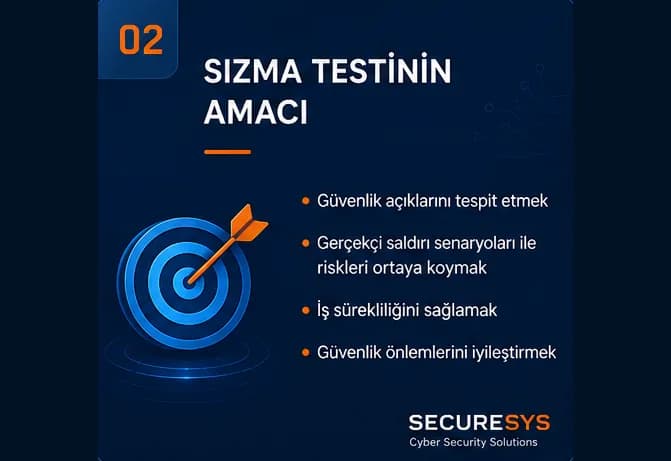
What Is Penetration Testing?
The definition, the purpose, and how it differs from a vulnerability scan — what it delivers to the organisation and what it means for decision-makers and engineers.
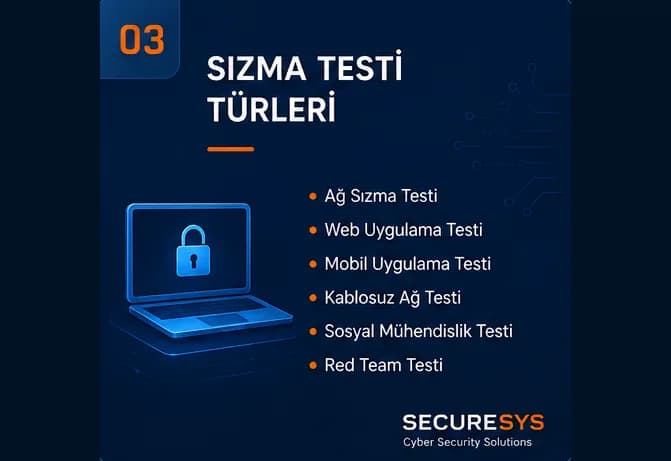
Types of Penetration Testing
Web, API, mobile, internal and external network, Active Directory, wireless, cloud, OT/ICS, social engineering, DDoS, VoIP and continuous assessment — the scope, methodology and deliverables of each.
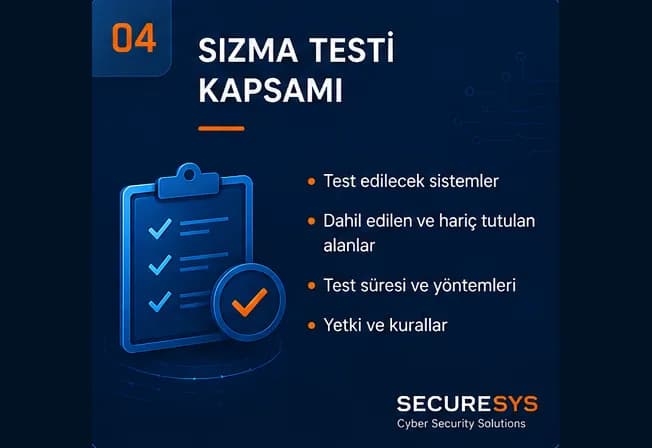
How Is the Scope of a Penetration Test Determined?
Which systems are in, which are out, and why that decision drives budget, duration and the quality of the findings — plus the five mistakes made most often.
Social Engineering: A Chain of Attacks That Starts With One Click
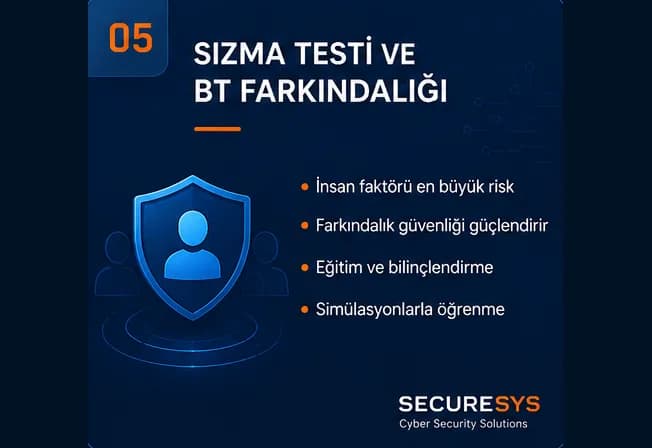
A real attack chain that began with a single email, the role of the human factor, and the measurable value of awareness work.
Black Box, Gray Box and White Box Penetration Testing
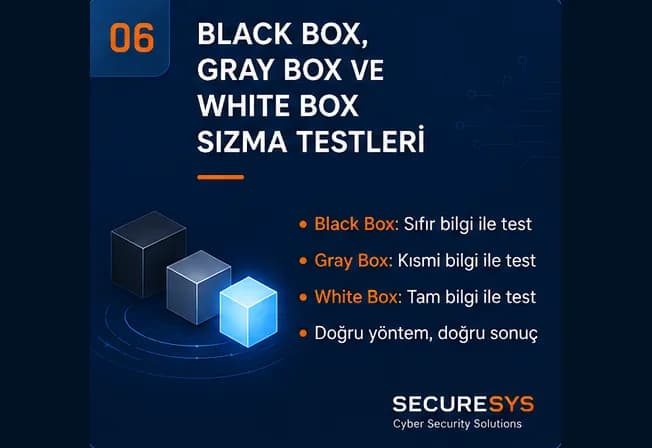
Three different starting points, three different perspectives. Which approach suits which system, and what each one reveals — with real-world scenarios.
Looking for professional support on this topic?
Our expert team will reach out for a free consultation as soon as possible.