Programming Languages Explained: What Is Each One Used For?
What are programming languages? Learn what Python, Java, C#, PHP, JavaScript and others are used for, with CRM, ERP and inventory software examples.
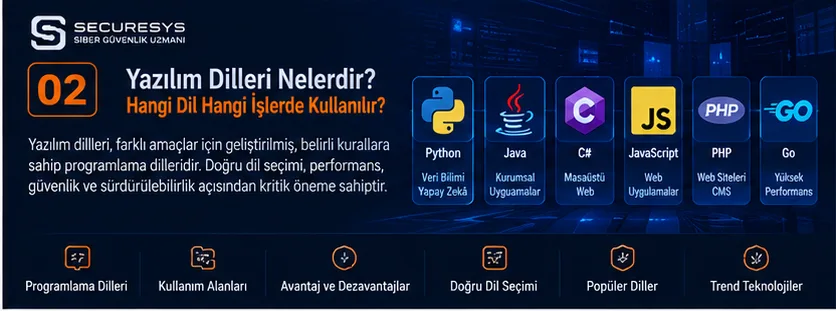
What Are Programming Languages?
Programming languages are languages, with their own rules and syntax, that are used to make computers and electronic systems carry out specific operations.
Programming languages can be used to build websites, web applications, mobile applications, desktop programmes, enterprise software, games, artificial intelligence systems and industrial applications.
The programming languages in widespread use today include Python, Java, C#, JavaScript, TypeScript, PHP, C++, C, Go, Rust, Swift and Kotlin.
However, not all programming languages were created for the same purpose.
Some languages stand out in web application development, some in mobile applications, and others in systems programming, artificial intelligence or fields that demand high performance.
For example, a CRM software can be developed with technologies based on Java, C#, Python, PHP or JavaScript/TypeScript.
A warehouse tracking software can be designed as a web-based system, while also including mobile components that work with barcode readers.
An inventory management programme can be developed using different programming languages and databases.
Short answer: The most suitable programming language is chosen according to the project's needs, the platform it will run on, integration requirements, performance expectations and the skills of the development team.
1. What Is a Programming Language?
A programming language is the formal language that software developers use to make computer systems carry out operations.
With programming languages, data can be processed, calculations can be performed, user actions can be managed and communication with other systems can be established.
What can be done with a programming language?
- Developing web applications
- Developing mobile applications
- Building CRM software
- Developing ERP systems
- Developing warehouse tracking software
- Preparing inventory management programmes
- Developing APIs
- Building automation systems
- Developing artificial intelligence applications
- Developing games
Example
When a sales representative creates a new customer record in CRM software, the code running behind the application can validate the data entered, check user permissions and save the information to the database.
2. How Do Programming Languages Work?
Programming languages make it possible for the source code written by developers to be turned into something a computer can run, using suitable tools.
Depending on the language and the runtime environment, the code may be compiled, interpreted, or executed on an intermediate runtime.
General process
- The developer writes the source code.
- The syntax of the code and the relevant rules are checked.
- The necessary compilation or execution steps are carried out.
- The programme receives data from the user or from other systems.
- Business rules are applied.
- The result is delivered to the user or to the relevant system.
Example
Suppose the quantity of a product is recorded as 100 in an inventory management software.
When 15 units are issued from the warehouse, the software can perform the necessary checks and update the stock quantity to 85.
During this operation, the application code, the database and user authorisation work together.
3. What Are the Most Common Programming Languages?
The table below summarises the major programming languages and their areas of use.
| Programming language | Common areas of use |
|---|---|
| Python | Artificial intelligence, data analysis, backend, automation |
| Java | Enterprise applications, backend, large-scale systems |
| C# | .NET, enterprise software, desktop, web |
| JavaScript | Web interfaces, Node.js backend |
| TypeScript | Large-scale web and backend projects |
| PHP | Web applications, CMS, backend |
| C | Systems programming, embedded systems |
| C++ | Games, performance-oriented systems |
| Go | Backend, microservices, cloud infrastructure |
| Rust | System software, security- and performance-oriented applications |
| Swift | iOS and Apple platforms |
| Kotlin | Android, backend |
| Dart | Mobile and cross-platform applications with Flutter |
| Ruby | Web applications, automation |
| R | Statistics, data analysis |
| SQL | Querying and data management in relational databases |
Note: Unlike general-purpose programming languages, SQL is a query language focused on database operations. HTML, in turn, is a markup language, and CSS is a style language.
4. What Is Python? Where Is It Used?
Python is a general-purpose programming language that stands out for its readable syntax and its broad library ecosystem.
Python areas of use
Artificial intelligence.
Machine learning.
Data analysis.
Backend development.
Automation.
Cybersecurity tools.
API development.
Python framework examples
Django.
Flask.
FastAPI.
Can CRM software be developed with Python?
Yes.
Using Python and Django, CRM software can be developed with modules for customer management, sales opportunities, quotations, orders and project tracking.
Can inventory management software be developed with Python?
Yes.
With a Python-based backend, product inventory, stock receipts and issues, warehouse movements and reporting can be managed.
5. What Is Java? Which Projects Is It Used In?
Java is a general-purpose language with a broad ecosystem, known for its object-oriented programming features.
Java areas of use
Enterprise applications.
Banking systems.
Backend services.
ERP software.
API development.
Large-scale business applications.
Java technologies
Spring Boot.
Jakarta EE.
Hibernate.
Can ERP software be developed with Java?
Yes.
Java can be used in enterprise systems that involve complex business rules and numerous integrations.
Example
An ERP system covering the purchasing, inventory, production and finance processes of a manufacturing business can be developed with Java-based services.
6. What Is C#? What Software Can Be Developed with .NET?
C# is a programming language developed by Microsoft and widely used in the .NET ecosystem.
C# areas of use
Enterprise web applications.
CRM software.
ERP systems.
Desktop applications.
API services.
Business process automation.
C# technologies
ASP.NET Core.
Entity Framework Core.
Blazor.
.NET MAUI.
Can warehouse tracking software be developed with C#?
Yes.
Using C# and ASP.NET Core, warehouse management systems, barcode-based inventory management software and web-based inventory applications can be developed.
Example
The backend layer of software that manages a business's product receipts and issues, warehouse locations and orders can be built with C#.
7. What Is JavaScript?
JavaScript is one of the core programming languages used to create interactive user interfaces in web applications.
It can also be used on the server side, thanks to runtime environments such as Node.js.
JavaScript areas of use
Web interfaces.
Dynamic forms.
Administration panels.
Web applications.
Backend services.
Real-time applications.
Example
In CRM software, customer search, quotation editing and dashboard functions can be delivered through JavaScript-based interfaces.
8. What Is TypeScript? How Does It Differ from JavaScript?
TypeScript is a programming language that adds features such as static type checking on top of JavaScript.
TypeScript code can be converted into JavaScript output suited to the environment in which it will run.
TypeScript advantages
Type checking.
Strong integration with development tools.
Easier maintenance in large codebases.
Support for code comprehensibility.
Areas of use
Enterprise web applications.
CRM panels.
ERP interfaces.
Project management systems.
Backend services.
Example
In a web-based CRM application with many modules, TypeScript can support more controlled development of data models and application components.
9. What Is PHP? Which Software Is It Used In?
PHP is a programming language used particularly in server-side web development.
PHP areas of use
Websites.
Content management systems.
E-commerce.
CRM software.
Web-based inventory management.
API development.
PHP framework examples
Laravel.
Symfony.
Can CRM software be developed with PHP?
Yes.
Using frameworks such as Laravel, enterprise applications covering customer management, quotation, order and project tracking processes can be developed.
Key point
Whether PHP is suitable for a particular project should be assessed according to architecture, security, maintenance and team requirements.
10. What Is the C Programming Language?
C is an important programming language used in systems programming and in software development close to the hardware.
Areas of use
Operating systems.
Embedded systems.
Device drivers.
Industrial devices.
System tools.
Example
Embedded software that manages the hardware components of an industrial device can be developed in C.
11. What Is C++? Where Is It Used?
C++ is a general-purpose programming language that can be used in projects requiring high performance and fine-grained control over system resources.
Areas of use
Game engines.
Graphics applications.
Real-time systems.
Engineering software.
Performance-oriented services.
Example
C++ may be preferred in an application that requires real-time data processing or hardware interaction.
12. What Is Go (Golang)?
Go is a programming language developed by Google and used particularly in network services and infrastructure software.
Areas of use
Backend services.
Microservices.
Cloud infrastructure.
API development.
DevOps tools.
Example
A central integration service that collects data from many warehouse systems can be developed with Go.
13. What Is Rust?
Rust is a systems programming language that stands out for its memory safety and performance characteristics.
Areas of use
System software.
Performance-oriented services.
Security tools.
Network applications.
Embedded systems.
Key point
Using Rust can help reduce certain classes of memory-safety errors.
However, no programming language on its own makes software completely secure.
14. What Is Swift?
Swift is the programming language used to develop applications on Apple platforms.
Areas of use
iOS applications.
iPadOS applications.
macOS applications.
Other applications in the Apple ecosystem.
Example
A mobile CRM or field service application running on an iPhone can be developed with Swift.
15. What Is Kotlin?
Kotlin is a programming language that is widely used in Android application development and can work together with the Java ecosystem.
Areas of use
Android applications.
Backend services.
Cross-platform applications.
Example
A barcode-based warehouse tracking application running on Android handheld terminals can be developed with Kotlin.
16. What Are Dart and Flutter?
Dart is the programming language used in the Flutter ecosystem.
Flutter is a user interface toolkit that supports building applications for multiple platforms from a single codebase.
Areas of use
Android.
iOS.
Web.
Desktop.
Example
A business that wants to develop a mobile inventory management application that runs on both Android and iOS devices can consider Flutter.
Points to consider
Device integrations.
Performance.
Platform features.
Long-term maintenance.
17. What Is SQL? Is It a Programming Language?
SQL (Structured Query Language) is the language used to query and manage data in relational databases.
SQL differs from general-purpose application programming languages.
SQL areas of use
Querying data.
Inserting data.
Updating data.
Deleting data.
Reporting.
Example
In an inventory management software, SQL queries can be used to calculate the total stock quantity of a particular product.
18. Are HTML and CSS Programming Languages?
HTML and CSS are the fundamental technologies used in web development.
HTML
Defines the structure of a web page.
CSS
Determines the visual presentation and layout of a web page.
JavaScript
Can add interactive behaviour to a web page.
Example
In CRM software, the structure of the customer registration screen can be built with HTML, its appearance with CSS and its interactions with JavaScript.
19. Which Languages Are Used in Frontend Development?
The frontend is the application layer that users interact with directly.
Core technologies
HTML.
CSS.
JavaScript.
TypeScript.
Common frontend tools
React.
Angular.
Vue.
Example
In the web interface of a warehouse tracking software, product search, inventory reports, warehouse locations and order lists can be presented through frontend components.
20. Which Languages Are Used in Backend Development?
The backend carries out the application's server-side business rules and data operations.
Common backend languages
C#.
Java.
Python.
PHP.
JavaScript.
TypeScript.
Go.
Ruby.
Example
In a CRM application, user authorisation, quotation calculations and customer record operations can be performed on the backend.
21. What Is Full Stack Software Development?
Full stack development means working on both the frontend and backend layers of an application.
Example technology combination
Frontend: React and TypeScript.
Backend: ASP.NET Core.
Database: PostgreSQL.
Alternative combination
Frontend: Vue.
Backend: Laravel.
Database: MySQL.
Key point
Full stack development does not mean that a single programming language has to be used.
22. Which Language Is Used to Develop a Web Application?
Web applications can be developed with different technologies.
| Layer | Technology examples |
|---|---|
| Frontend | JavaScript, TypeScript |
| Backend | C#, Java, Python, PHP, Node.js |
| Database | PostgreSQL, SQL Server, MySQL |
| API | REST, GraphQL |
| Deployment | Linux, Windows, container platforms |
Example
A web-based CRM software can be developed with React, ASP.NET Core and PostgreSQL.
However, this is not the only valid technology combination.
23. Which Language Is Used to Develop a Mobile Application?
There are different approaches to mobile application development.
Android
Kotlin.
Java.
iOS
Swift.
Cross-platform
Dart and Flutter.
JavaScript/TypeScript and React Native.
Example
If a mobile CRM application is to be developed for a business's field staff, the appropriate technology should be chosen after evaluating device features and maintenance needs.
24. Which Language Is Used to Develop CRM Software?
CRM software can be developed with different programming languages.
Example technologies
C# and ASP.NET Core.
Java and Spring Boot.
Python and Django.
PHP and Laravel.
TypeScript and Node.js.
CRM software modules
Customer management.
Sales opportunities.
Quotations.
Orders.
Contracts.
Project tracking.
Task management.
Reporting.
Example
In an organisation-specific CRM software, it may be required that a project record be created once a quotation is approved.
This operation can be managed through the application's backend business rules.
25. Which Language Is Used to Develop ERP Software?
ERP systems are enterprise applications that integrate different business processes.
Technologies that can be used
Java.
C#.
Python.
PHP.
JavaScript/TypeScript.
ERP modules
Finance.
Accounting.
Purchasing.
Sales.
Inventory.
Warehouse.
Production.
Human resources.
Key point
In ERP development, topics more important than the programming language include the data model, transaction integrity, authorisation, integration and a sustainable architecture.
26. Which Language Is Used to Develop Warehouse Tracking Software?
Warehouse tracking software can be designed for different working environments.
Web-based warehouse management
C#.
Java.
Python.
PHP.
TypeScript.
Mobile warehouse application
Kotlin.
Swift.
Flutter.
React Native.
Database
PostgreSQL.
SQL Server.
MySQL.
Oracle Database.
Example
While warehouse staff scan barcodes with Android handheld terminals, managers can monitor stock and shipment status from a web panel.
In this architecture, the mobile application, the backend and the database may each use different technologies.
27. Which Language Is an Inventory Management Programme Written In?
An inventory management programme can be developed as a web, desktop or mobile application.
Examples
Web inventory management: a backend based on C#, Java, Python or PHP.
Desktop inventory management: C# or Java.
Mobile inventory management: Kotlin, Swift or Flutter.
Core features
Product cards.
Stock receipts and issues.
Warehouse-level stock.
Barcodes.
Serial numbers.
Lot tracking.
Minimum stock alerts.
Reporting.
Key point
The accuracy of an inventory management software depends not only on the programming language, but also on data integrity, transaction rules and sound design.
28. Which Language Is Used to Develop Project Management Software?
Project management software can generally be designed as web-based systems.
Technology examples
React.
Angular.
Vue.
ASP.NET Core.
Spring Boot.
Django.
Laravel.
Modules
Project card.
Tasks.
Assignees.
Calendar.
Progress.
Documents.
Reports.
Example
A software company can start a project once a customer quotation has been approved.
Project management software can track the analysis, development, testing and go-live stages.
29. Which Language Is Used to Develop E-Commerce Software?
Different technologies can be used in e-commerce systems.
Examples
PHP.
JavaScript/TypeScript.
Python.
Java.
C#.
Core components
Product catalogue.
Basket.
Payment.
Orders.
Inventory.
Warehouse.
Shipping.
Example
By integrating the e-commerce system with the inventory management software through an API, product quantities can be kept up to date.
30. Which Languages Are Used to Develop APIs?
An API is the interface that enables software to communicate with one another.
Common API development technologies
ASP.NET Core.
Spring Boot.
FastAPI.
Django REST Framework.
Laravel.
Node.js.
Go.
Example
A customer order in CRM software can be passed to the ERP system through an API.
The ERP can then share data with the relevant inventory management or warehouse management system.
31. Which Languages Are Used for Microservices Architecture?
Microservices architecture is an approach in which application functions can be designed as independent services.
Languages that can be used
Java.
C#.
Go.
Python.
TypeScript.
Example
In an e-commerce platform, the product catalogue, orders, payments and inventory management can be designed as separate services.
Points to consider
Distributed system complexity.
Communication between services.
Monitoring.
Data consistency.
Security.
Key point
Microservices architecture is not necessary for every project.
32. Which Languages Are Used in Artificial Intelligence Software?
Python has an important ecosystem in the field of artificial intelligence and machine learning.
Technologies used
Python.
R.
C++.
Julia.
Areas of use
Machine learning.
Natural language processing.
Image analysis.
Forecasting.
Data analysis.
Example
In an inventory management software, demand can be forecast by analysing historical sales data.
However, the reliability of forecasts depends on data quality and on how the model is evaluated.
33. Which Languages Are Used for Data Analysis and Reporting?
Different technologies can be used in the field of data analysis.
Examples
Python.
R.
SQL.
Areas of use
Sales analysis.
CRM reporting.
Inventory turnover analysis.
Warehouse performance.
Financial analysis.
Example
By analysing data taken from CRM and ERP systems, customer profitability and sales performance reports can be prepared.
34. Which Languages Are Used in Game Development?
Game development covers different fields such as graphics, physics and interactive systems.
Examples
C++.
C#.
GDScript.
Game engines
Unreal Engine.
Unity.
Godot.
Key point
The choice of language varies according to the game engine and the target platform.
35. Which Languages Are Used in Cybersecurity Software?
Different programming languages can be used in the field of cybersecurity.
Examples
Python.
C.
C++.
Go.
Rust.
JavaScript.
Areas of use
Security automation.
Log analysis.
Network tools.
Security testing tools.
Threat analysis.
Key point
The quality of security software depends on secure design, testing and maintenance processes, regardless of the language used.
36. What Should Be Considered When Choosing a Programming Language?
The choice of programming language is one of the technical decisions that affect a project's long-term success.
Evaluation criteria
Project requirements.
Target platform.
Performance.
Scalability.
Team skills.
Library ecosystem.
Security.
Maintenance.
Integration.
Total cost of ownership.
Example
For CRM software to be developed for a business, the number of users, the reporting load, integrations and maintenance needs should be evaluated together.
37. Which Is the Best Programming Language?
There is no single best programming language for all projects.
Example approach
Python can be a strong choice for artificial intelligence.
Java or C# can be considered for enterprise backends.
JavaScript or TypeScript is used for web interfaces.
Swift stands out for iOS applications.
Kotlin is a common choice for Android applications.
C, C++ or Rust can be considered for systems programming.
Critical point
The best programming language is the one that meets the project's requirements in a secure, sustainable and economical way.
38. How Does the Programming Language Affect Performance?
The choice of programming language can affect performance.
However, performance does not depend on the language alone.
Other factors
Algorithms.
Database design.
Caching.
Network latency.
Infrastructure capacity.
Application architecture.
Example
The root problem of a slow inventory management software may not be the programming language but inefficient database queries.
For this reason, performance should be assessed through measurements.
39. Does Software Security Depend on the Programming Language?
A programming language can make it easier to prevent or reduce some types of errors.
However, secure software development is a much broader process.
Security requirements
Secure coding.
Authentication.
Authorisation.
Input validation.
Encryption.
Dependency management.
Source code analysis.
Penetration testing.
Example
If users of CRM software can access data belonging to other customers, this can constitute a serious authorisation problem, regardless of the programming language used.
40. Do DevOps and DevSecOps Affect the Choice of Programming Language?
DevOps and DevSecOps processes support the management of software development and deployment processes.
DevOps components
Git.
CI/CD.
Automated testing.
Containers.
Monitoring.
DevSecOps components
SAST.
DAST.
SCA.
Secret scanning.
Container security.
Example
The source code of CRM software can be managed on Git.
Tests and security checks can be run in the CI/CD process.
Key point
Whether DevSecOps can be applied depends not only on the programming language but on the compatibility of the tools and processes used.
41. What Is a Tech Stack in Enterprise Software Development?
A tech stack is the whole set of technology components used in developing a software system.
Example enterprise tech stack
Frontend: React and TypeScript.
Backend: ASP.NET Core.
Database: PostgreSQL.
API: REST.
Deployment: Docker.
Monitoring: Suitable logging and performance monitoring tools.
Alternative tech stack
Frontend: Vue.
Backend: Laravel.
Database: MySQL.
Key point
The tech stack should be determined according to the project's needs.
42. Is It Possible to Change the Programming Language?
It is possible to redevelop an existing software in a different programming language.
However, this decision involves technical and commercial risks.
Areas to evaluate
Existing architecture.
Data migration.
Integrations.
Business rules.
Test coverage.
Risk of downtime.
Maintenance cost.
Example
An inventory management software developed with legacy technology can be migrated to a modern web architecture.
However, a transition plan should be prepared so that data integrity is preserved and business processes continue without interruption.
43. Does the Programming Language Determine the Cost of Software Development?
The programming language can affect cost, but it is not the only determining factor.
Cost factors
Development effort.
Team skills.
Project scope.
Licences.
Infrastructure.
Integrations.
Testing.
Maintenance.
Example
The development cost of a simple CRM application is not the same as that of an enterprise CRM system with numerous integrations.
44. SECURESYS Software Development and Technology Consulting
SECURESYS provides services aimed at analysing organisations' software needs, determining the appropriate technology architecture, and planning software development and security processes.
Custom Software Development
Custom software solutions can be designed according to organisations' needs.
CRM Software Development
Customer, quotation, order, contract, sales and project management modules can be developed.
Warehouse Tracking Software
Solutions can be built for warehouse operations, product movements, barcodes and inventory management.
Inventory Management Software
Stock receipts and issues, warehouse-level inventory and reporting systems can be developed.
ERP Integrations
API and data integrations can be carried out between enterprise systems.
Web and Mobile Applications
Web-based and mobile business applications can be developed.
DevOps and DevSecOps
Software development, testing, deployment and security processes can be supported.
Source Code Analysis
Source code review and analysis services aimed at assessing software security can be provided.
In the SECURESYS approach, the fundamental aim of technology selection is not merely to use an up-to-date programming language, but to build a secure, sustainable and extensible software architecture that suits the organisation's needs.
Frequently Asked Questions (FAQ)
1. What are programming languages?
Python, Java, C#, JavaScript, TypeScript, PHP, C, C++, Go, Rust, Swift and Kotlin are among the common programming languages.
2. Which is the most widely used programming language?
Usage rates vary according to the scope of the survey and the measurement method. Technologies such as JavaScript, Python and SQL are examples frequently seen in developer surveys.
3. Which programming language should beginners learn?
Depending on the target field, languages such as Python or JavaScript can be considered.
4. Which languages are used to build a website?
HTML, CSS and JavaScript are the core web technologies. Backend technologies can also be used in dynamic web applications.
5. Which language is CRM software written in?
It can be developed with technologies based on C#, Java, Python, PHP or JavaScript/TypeScript.
6. Which language is ERP software developed in?
Java, C#, Python and other enterprise application technologies can be used.
7. Which language is an inventory management programme written in?
C#, Java, Python, PHP or other suitable technologies can be used.
8. Which language is warehouse tracking software developed in?
Different languages can be used depending on web, mobile and desktop architectures.
9. Which language is used for mobile applications?
Swift can be used for iOS and Kotlin for Android; for cross-platform development, Dart or JavaScript/TypeScript can be used.
10. What is Python used for?
It can be used in artificial intelligence, data analysis, automation, backend and API development.
11. What is Java used for?
It can be used in enterprise applications, backend services and large-scale systems.
12. What is C# used for?
It can be used to develop web, desktop and enterprise applications in the .NET ecosystem.
13. Can enterprise software be developed with PHP?
Yes. Enterprise web applications can be developed with PHP and its related frameworks.
14. Can backend development be done with JavaScript?
Yes. It can be used on the server side with runtime environments such as Node.js.
15. Why is TypeScript used?
With type checking and development tool support, it can make code management easier in large projects.
16. Is SQL a programming language?
SQL is a special-purpose query language used for relational databases.
17. Can the same language be used for frontend and backend?
Yes. JavaScript- or TypeScript-based technologies can be used in both layers.
18. Does the programming language affect security?
Yes, it can affect some types of errors. However, secure software development processes are also required.
19. Which is the fastest programming language?
Performance depends on the language used, the runtime environment, the algorithm and the application architecture.
20. Which language should be chosen for enterprise software development?
The decision should be made according to project requirements, team skills, security, performance and long-term maintenance needs.
Conclusion: Which Programming Language Suits Which Project?
Programming languages were developed to meet different needs.
Python has a strong ecosystem in artificial intelligence and automation.
Java and C# are options that can be considered for enterprise application development.
JavaScript and TypeScript are key technologies of modern web applications.
PHP can be used in web-based application development.
Swift and Kotlin stand out in mobile application development.
Go and Rust may be preferred in certain infrastructure and systems development scenarios.
When developing CRM software, an ERP system, warehouse tracking software, an inventory management programme or a project management application, choosing the programming language alone is not enough.
Database architecture, API integrations, security controls, user experience, performance and maintenance processes should also be evaluated together.
The right programming language creates real value when it is chosen together with a technology architecture that fits the project's needs.
Sources and References
Python – Official Documentation: https://docs.python.org
Java – Official Platform: https://dev.java
Microsoft .NET: https://learn.microsoft.com/dotnet
JavaScript – MDN: https://developer.mozilla.org/en-US/docs/Web/JavaScript
TypeScript: https://www.typescriptlang.org
PHP: https://www.php.net
Go: https://go.dev
Rust: https://www.rust-lang.org
Swift: https://www.swift.org
Kotlin: https://kotlinlang.org
Flutter: https://flutter.dev
Stack Overflow Developer Survey: https://survey.stackoverflow.co
Related Articles
Software Development, Enterprise Applications & DevSecOps
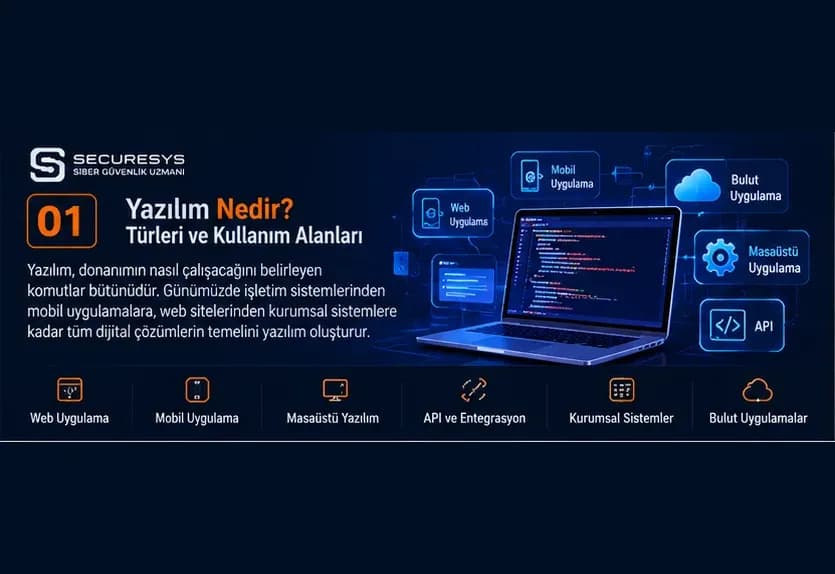
What Is Software? Types, Uses and the Most Widely Used Software Worldwide
What is software and what are its types? A complete guide to CRM, ERP, warehouse tracking, inventory management, web and mobile apps, and custom software.
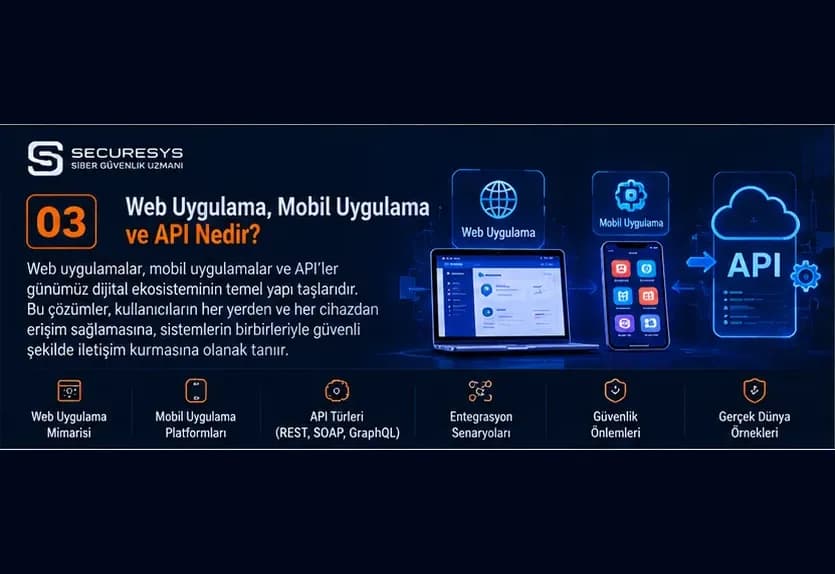
What Is a Web Application? A Guide to Web-Based Software, Frontend and Backend Development
What is a web application? Explore frontend, backend, APIs, databases, cloud architecture and how CRM, ERP, warehouse and inventory software is developed.
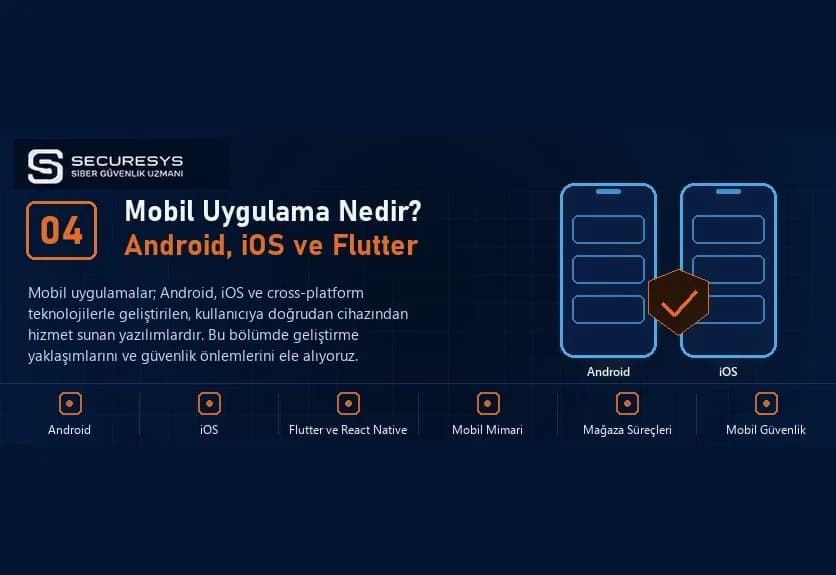
What Is a Mobile App? A Guide to Android, iOS and Cross-Platform Mobile Software Development
What is a mobile app and how is it developed? Explore Android, iOS, Flutter, React Native, mobile CRM, warehouse tracking and inventory software.
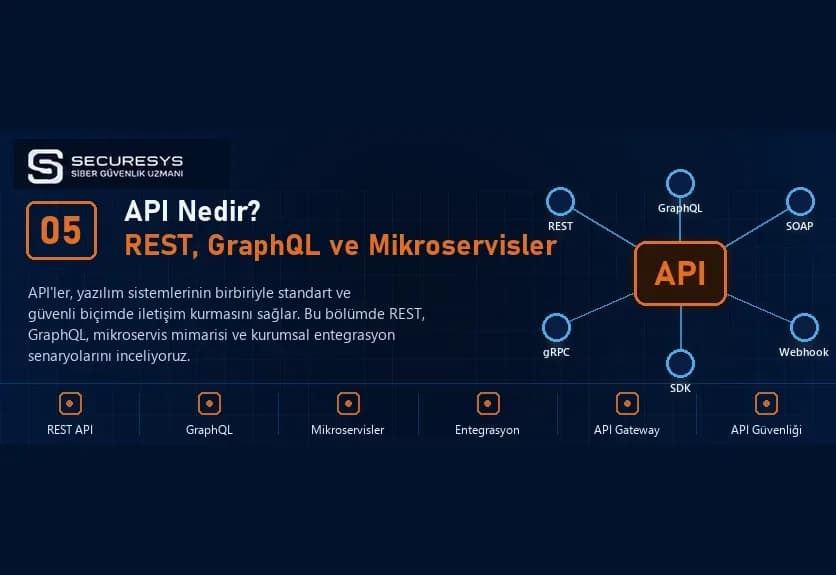
What Is an API? REST API, GraphQL, Microservices and Enterprise Software Integrations
What is an API and how does it work? A guide to REST API, SOAP, GraphQL, webhooks, microservices, CRM–ERP integration, inventory management and API security.
What Is CRM Software? A Guide to Customer Tracking, Sales Management, Quotation and Project Tracking Systems
What is CRM software? Explore customer tracking, sales, quotations, orders, contracts, project management, ERP integration and custom CRM development.
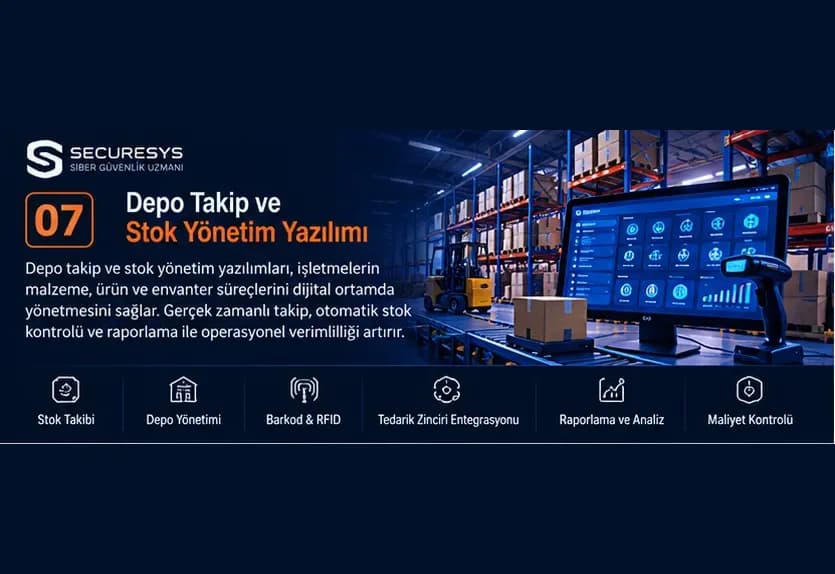
What Is Warehouse Tracking and Inventory Management Software? A Guide to WMS, ERP, Barcodes and Inventory Control
What is warehouse tracking software? Explore WMS, barcode, RFID, ERP integration, multi-warehouse and inventory management in our complete guide.
Looking for professional support on this topic?
Our expert team will reach out for a free consultation as soon as possible.